What is Trap-Neuter-Return (TNR)?
Trap Neuter Return is a free roaming cat population method that controls breeding and vaccinates all cats for rabies. TNR does not dump cats into the wild. Caretakers- meaning people who feed and provide shelter for them- are responsible for getting them neutered and providing continued food and shelter. NNN provides loaner traps and the surgery/vaccines for this program. NNN does not employ trappers but many volunteers are in communities where we provides services. Relocation is not offered unless the caretaker provides a new place for the cats to live.
DO NOT TRAP A CAT UNLESS YOU HAVE A CLINIC TO TAKE IT TO THE NEXT DAY. APPOINTMENTS REQUIRED.
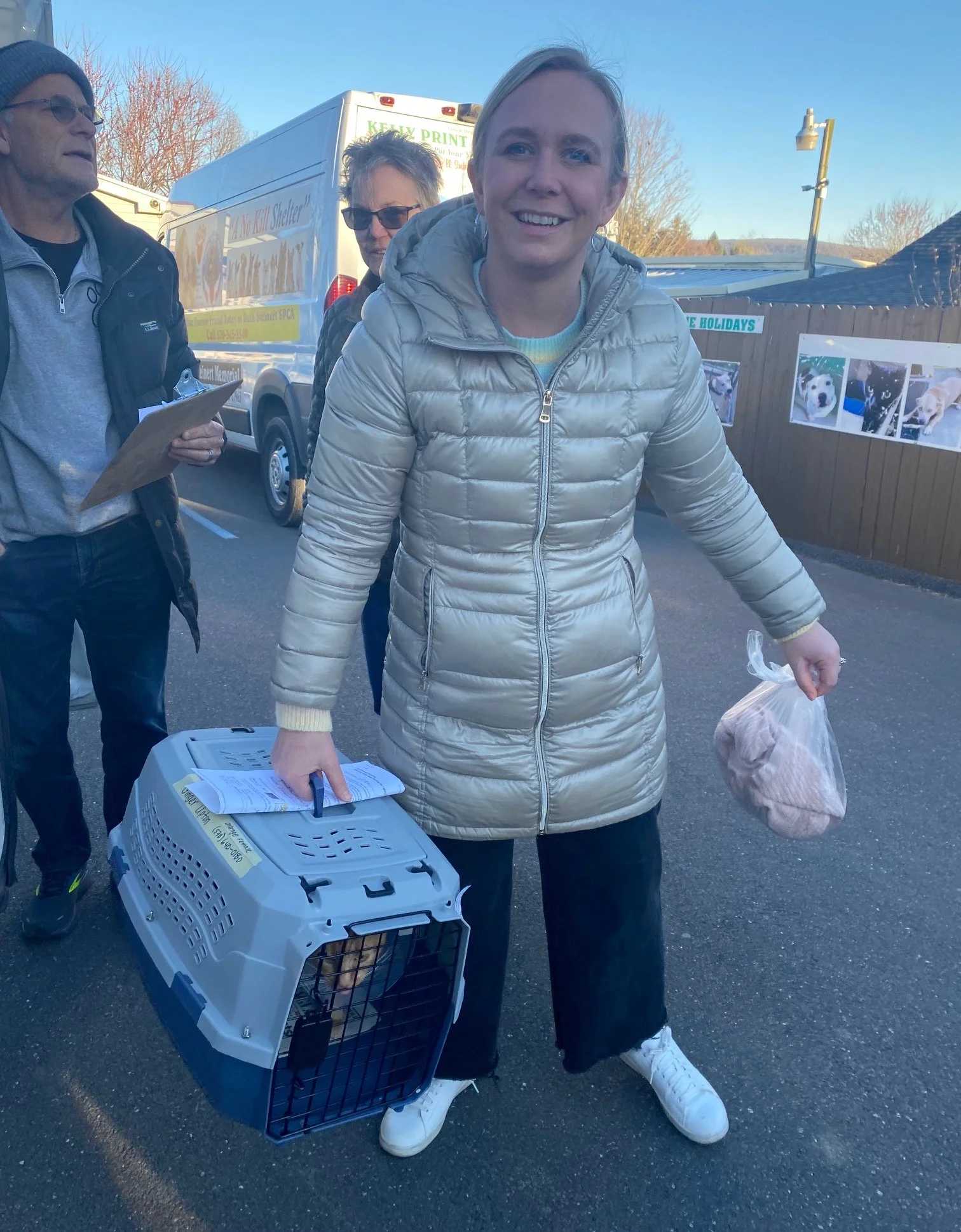
Trap Neuter Return TNR is a COMMUNITY based program, meaning that people who feed outside cats, also known as caretakers, trap the cats they are feeding and bring them to a surgery clinic. Cats are done the same day and the caretakers take them home to recover in the traps: 48 hours for females and 18-24 hours for males. The goal of TNR is to stabilize the size of the colony, all cats get a rabies vaccine, parasite treatments, pain medicine and they are returned to live in their home territory.
DO NOT TRAP until you have a plan: appointment/s and payment. NNN surgery services for community cats are by appointment only. There is no walk in available.
NNN has loaner traps at each clinic location when you have an appointment: $25 refundable deposit per trap to be used at our surgery clinics. We do not loan out traps to be used at other surgery clinics.
Allentown trap rental info:610-741-3437
Plains trap rental info: 610-751-9455
Reading trap rental info: 610-751-1755
Financial assistance may be available.
Volunteers to assist in trapping may be available if you are elderly or disabled or have no transportation. Not every area or community has volunteer trappers.
Email our contact page if you have questions.
Place the trap in the area where you typically feed the cats. Do not place a trap out in the open; place under shrubs, small trees, corners of buildings, etc.
Check with neighbors to see if there are other people feeding. If so, ask them to discontinue until TNR is finished or put traps at their feeding station.
Secure the trap door open with wire, string or a stick. Place a thin layer of newspaper on the bottom. If it gets wet or blows, you can leave the bottom bare. Plan to use the trap as a feeding station 3-4 days in advance of your surgery date. This helps the cats get accustomed to entering the trap and not to be afraid. It is NOT recommended to use plastic bowls or plates as they can block the door when trapping. You can use a paper plate.
Start with placing food at the front of the trap on the first day and move the food toward the back of the trap each feeding afterward. You are training the cat not to be afraid to go all the way into the trap the day/evening of trapping.
24 hours BEFORE ( or 1 feeding before) the day/evening of trapping, a light meal. If they are used to being fed and now are hungry, it will increase the success of catching them. Kittens weighing 2-3 lbs will trip the plate; can be trapped, fixed and ear tipped.